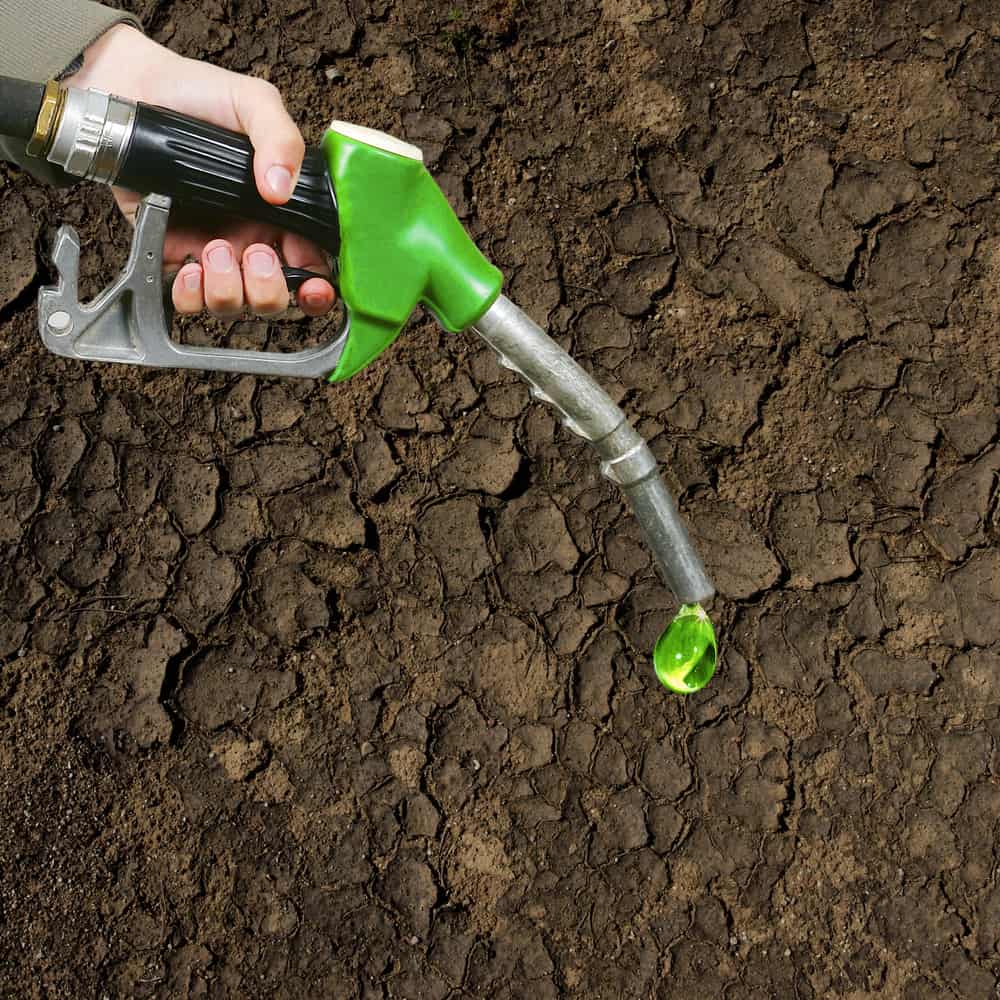

There are many different kinds of eco-cars now available on today’s market. These include vehicles that are electrically charged and have to be plugged in at night and those that are powered by hydrogen fuel cells, which need to be topped up at service stations with dedicated hydrogen pumps. The problem with many of these automobiles is that they are prohibitively expensive for many motorists. Some of these green vehicles even cost more to run than their petrol and diesel driven counterparts, making them unattractive for those on a budget. Continue reading

A World with Autonomous Cars

Google unveiled their autonomous car at the Detroit Motor Show in January. They are not the only company developing their own drive-by-wire vehicles, which look set to become a definite feature of our roads in the future. Whilst there have always been those who are scared of change – from the cavemen who no doubt believed that the wheel was the work of some evil god through to the people who thought that the electric toothbrush would shake out their teeth – a little shake up of things is often for the greater good.
The Most Commonly Replaced Car Parts
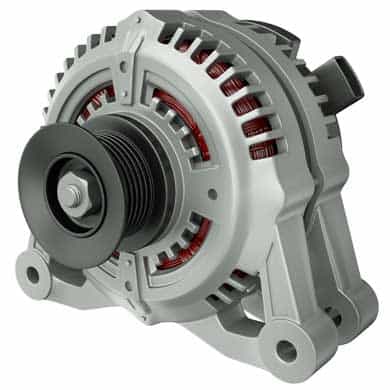
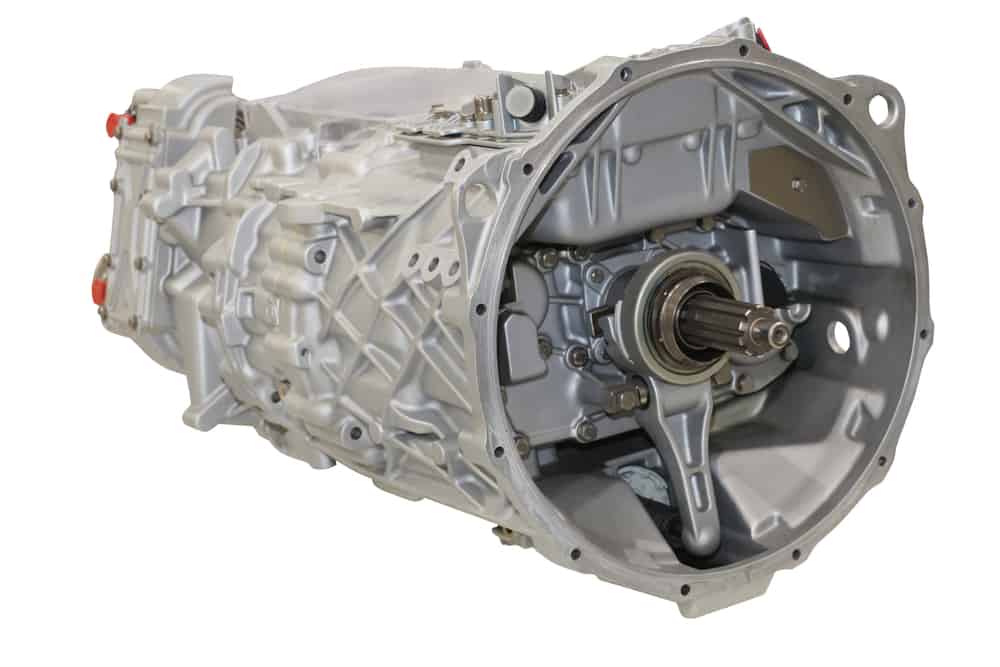
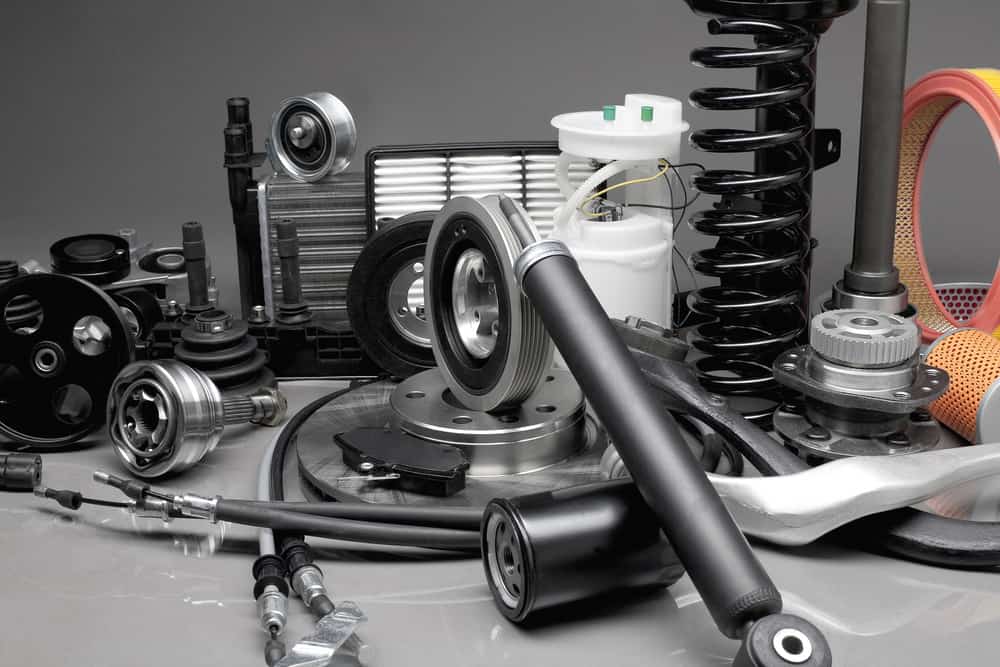
What are the most commonly replaced car parts? With the huge forces created in your combustion engine and by travelling at speed, it is no wonder that the components of today’s cars wear out. Certain parts wear out faster than others and there can be extenuating factors such as environmental considerations that can lead to a reduced lifespan. Our list takes a look at which parts are most prone to wear and likely to need swapping out.
Continue readingNew Green Cars for 2015
Green motoring is an increasingly hot topic for all motorists in the UK. With vehicle emissions still contributing a large percentage of all CO2 emissions, every car owner can play their part in helping to reduce the amount of pollution produced by their vehicle. Manufacturers are aware of this trend and we are now seeing a rise in the number of different green cars available, so which of these are tagged for success in 2015? Continue reading
Locating Car Brake Fluid Leaks

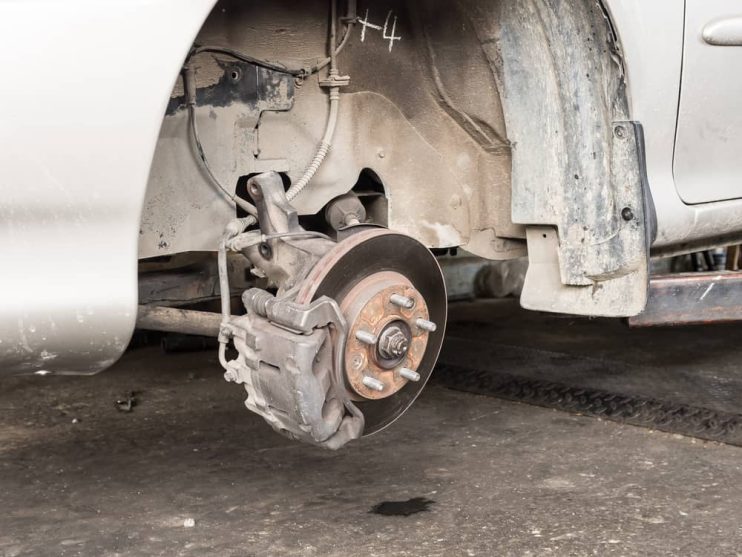
Brake fluid is an essential part of your car’s braking system. It is used to transfer the pressure from the footbrake into movement that in turn applies your car’s calipers to the disc brake. The first sign that you might have a leak within your brake fluid system is usually therefore indicated by the responsiveness of the footbrake pedal.
Winter Driving Guide

The harsh winter weather puts extra demands on your motoring. Last year we took a look at the precautions you can take before setting out on the road and the differences between summer and winter tyres.
However, there are many good practices you can adopt when driving in various wintry conditions.
Continue readingBeyond the Breaker’s Yard – Recycling Unusable Cars
When car parts get beyond circulation as second hand spares, they have to be recycled. Around 80% of a car can be turned into usable products, making car recycling big business today. There are now whole companies that exist around taking different materials from scrapped cars and turning them into reusable products. What are these materials and how are they reprocessed? Continue reading
Checking your Car’s Exhaust System

Checking your Car’s Brake Fluid

Brake fluid plays a vital role in your car. This liquid transfers the force of the driver’s foot on the brake pedal through to the disc brakes. It uses a system of tubes and pressure, a little like those that you might find on a hydraulic piston, to operate all the brakes simultaneously. It is imperative that you have the right level of brake fluid in your car. If you do not have enough fluid then this may mean that you cannot reach the required levels of pressure in your system to safely operate your car’s brakes.
Continue readingChecking and Adding Fluid to Power Steering

Power steering aids drivers by providing a level of power and support to the steering process, augmenting the effort supplied by the driver. This is usually automated via a system of hydraulics that uses a power steering pump and reservoir, which sits on the engine. The fluid within the hydraulics is then applied to the steering gear through a set of hoses, and the pressure is used to reduce the amount of force needed to successfully steer the vehicle.
Continue reading